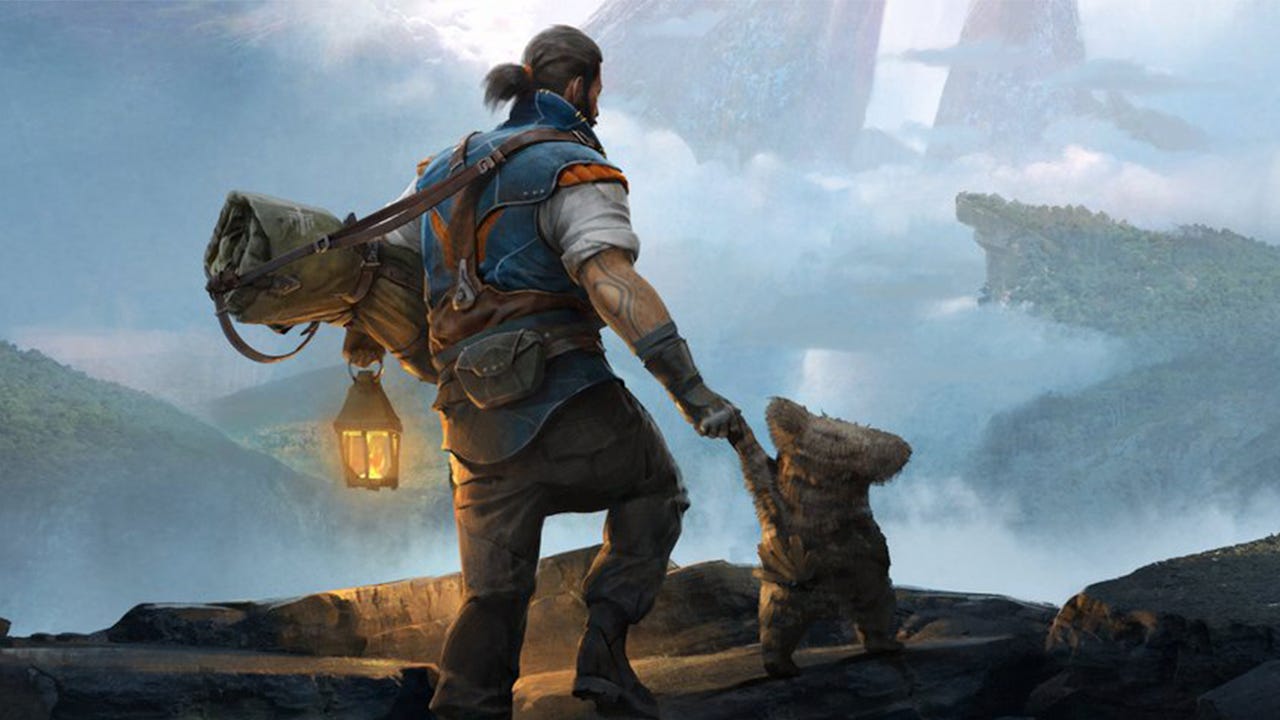
Mastering Highguard's Phases: Preparation, Shieldbreaker, and Raid
Step into the thrilling world of Highguard multiplayer, an innovative online team-based shooter that masterfully blends hero-shooter mechanics with the strategic depth of siege warfare. Unlike typical arena battles, Highguard structures its intense competitive experience around a dynamic, multi-phase Raid mode. To truly dominate the battlefield and lead your team to victory, understanding and mastering each of these distinct phases – Preparation, Shieldbreaker, and Raid – is absolutely crucial. This comprehensive guide will break down the intricacies of each stage, offering valuable insights and actionable tips to elevate your gameplay.
Highguard stands out by demanding not just raw aiming skill, but also keen strategic foresight, exceptional teamwork, and adaptability. From the initial scramble for resources to the climactic assault on an enemy fortress, every decision and action contributes to the overall flow of the match in this unique hero-shooter with siege combat.
The Preparation Phase: Laying the Foundation for Victory
Every match in Highguard multiplayer kicks off with the Preparation Phase, a critical window designed for both teams to gather strength and set the stage for the ensuing conflict. This isn't just a waiting period; it's an active scramble for dominance that can heavily influence the rest of the game.
- Resource Collection is Key: The large, shared map is dotted with vital resources. Players must efficiently navigate to collect weapons, gear, and supplies from various sources, including chests, vendors, and dynamic supply drops. Prioritize what your hero needs most. A support character might seek healing items and utility gadgets, while an offensive hero focuses on powerful weaponry and damage-boosting gear.
- Fortification & Strategy: While resource gathering, your team must also begin fortifying your base. This involves deploying defensive structures, setting up traps, and establishing choke points. Communication is paramount here; decide who will focus on what. Will a few players push aggressively for early map control and prime resource spots, while others immediately begin fortifying the home base?
- Early Engagements: Though its primary purpose is preparation, direct engagement with the opposing team is always an option. Skirmishes can erupt over contested resource spawns or strategic map locations. Winning these early fights can deny the enemy crucial gear and provide a psychological advantage. However, remember the risk-reward; getting wiped out early can put your team significantly behind.
- Rapid Traversal with Mounts: Mounts are indispensable during this phase. They allow for rapid traversal across the expansive map, enabling quicker access to distant resource nodes and elevated areas. Mastering mount control and knowing optimal routes can give your team a significant advantage in efficiency.
Pro-Tip for Preparation: Designate roles early. Assign specific players to resource routes, others to base fortification, and a small skirmishing party to challenge high-value targets. A coordinated effort here can snowball into a dominant position in later phases. Pay attention to the opposing team's movements; anticipating their strategy can help you counter their resource gathering or fortifying efforts.
The Shieldbreaker Phase: A Crucial Race Against Time
Once the initial scramble for resources subsides, Highguard multiplayer shifts into the exhilarating Shieldbreaker Phase. This objective-driven segment is a pure test of your team's combat prowess and tactical coordination, as both sides vie for control of a singular, powerful artifact.
- The Neutral Shieldbreaker Artifact: At the heart of this phase is the Shieldbreaker artifact, a neutral objective that spawns in a contested area of the map. Securing this artifact is the singular goal, as it holds the power to destroy the enemy team's base shield.
- Contested Objective & Team Fights: Expect intense, prolonged team fights around the artifact's spawn point. Hero selection and synergy become critical. Crowd control, burst damage, and sustained healing are all vital components for winning these engagements. A well-timed ultimate ability can swing the fight in your favor.
- Holding the Artifact: Once secured, the artifact needs to be channeled or delivered to the enemy base. This often involves a vulnerable player carrying it, requiring the rest of the team to protect them fiercely. Defenders will attempt to intercept, disable, and eliminate the carrier to prevent the shield's destruction.
- The End Goal: Destroying the Shield: This critical phase culminates when one team successfully utilizes the artifact to destroy (a moment sometimes inaccurately referenced as 'tot destroy' in early documentation) the other team's base shield. This act transitions the match into the final, decisive Raid Phase, setting the roles of attacker and defender.
Pro-Tip for Shieldbreaker: Map awareness is crucial. Know when the artifact is spawning and plan your approach. Don't overcommit to kills if it means losing control of the objective. Sometimes, disrupting the enemy's channel or carrier path is more valuable than outright eliminations. Consider flanking routes and hero abilities that can quickly secure or deny the artifact.
The Raid Phase: The Ultimate Test of Skill and Strategy
The Raid Phase is the core objective of every Highguard multiplayer round, a climactic confrontation where one team becomes the attacker and the other the defender. The team that successfully deployed the Shieldbreaker artifact assumes the offensive role, while the opposing team must defend their now exposed base.
Base types in Highguard are diverse and are selected at the start of the match, adding a layer of strategic depth. A team might face a sprawling fortress with multiple gates, a multi-level urban complex with verticality, or a subterranean labyrinth. Each base type demands unique attacking and defending strategies.
Attacker Strategies: Breaching and Conquering
- Identify Weak Points: Even fortified bases have weaknesses. Attackers must quickly identify breach points, choke points, and less-defended entryways. Using scouts or long-range reconnaissance heroes can be invaluable.
- Coordinated Breaches: A successful raid rarely happens with uncoordinated pushes. Utilize your team's hero synergies to create openings. A tank might draw fire while damage dealers focus on breaking down walls or structures, followed by flankers disrupting the defenders' backline.
- Objective Focus: The ultimate goal is to reach and secure the main objective within the base (e.g., a core, capture point, or VIP target). Don't get distracted by chasing kills if it means losing sight of the objective. Push relentlessly, even after taking casualties, to maintain pressure.
- Siege Equipment & Abilities: Some heroes or map mechanics might offer siege equipment or abilities that can quickly dismantle fortifications. Integrating these into your push is paramount for overcoming stubborn defenses.
Defender Strategies: Fortify and Hold
- Reinforce & Hold Chokepoints: Utilize remaining resources and hero abilities to reinforce critical choke points and entryways. Setting up layered defenses, including traps, turrets, and defensive hero abilities, can slow down or halt an attacker's push.
- Counter-Attacks & Flanks: Defenders shouldn't simply sit back. Well-timed counter-attacks, especially flank maneuvers to catch attackers off guard, can dismantle their pushes and create opportunities for a full reset.
- Information Control: Deny attackers information about your defensive setup. Utilize vision-blocking abilities or hide key defenders in unexpected positions. Knowing where the enemy is pushing allows for effective rotations.
- Hero Selection: Defensive hero choices are critical. Area-denial specialists, healers, and heroes with strong crowd control or fortification abilities excel in this phase.
For an even deeper dive into the tactical nuances of this phase, be sure to check out our dedicated article: Highguard Multiplayer: Deep Dive into the Raid Mode & Mechanics.
Advanced Strategies for Highguard Multiplayer
Beyond mastering individual phases, true expertise in Highguard multiplayer comes from understanding the overarching game flow and adapting to dynamic situations.
- Communication is Paramount: A team that communicates effectively will almost always outperform a silent one. Call out enemy positions, coordinate ability usage, plan pushes, and announce rotations.
- Hero Synergy & Counter-Picking: Understand how your hero's abilities interact with those of your teammates. Furthermore, be willing to adjust your hero choice (if the game allows for it) to counter the enemy's composition. Is the enemy running a heavy front-line? Bring heroes with armor shred or crowd control. Are they relying on snipers? Utilize flankers or vision blockers.
- Adaptability: No plan survives first contact. Be prepared to adapt your strategy on the fly. If your initial push fails, regroup, reassess, and try a different approach. Flexibility is a hallmark of high-level play.
- Map Awareness: Constantly check your minimap, listen for sound cues, and use abilities that provide vision. Knowing where enemies are (or aren't) is crucial for making informed decisions about pushes, rotations, and objective contests.
Conclusion
Highguard multiplayer offers a refreshingly complex and engaging competitive experience, demanding a blend of fast reflexes, strategic thinking, and unwavering teamwork. By understanding and excelling in each of its distinct phases – the resource-rich Preparation, the artifact-focused Shieldbreaker, and the climactic Raid – you equip yourself with the knowledge needed to consistently outperform your opponents. Master the art of early game setup, dominate objective control, and execute flawless attacks or impregnable defenses, and your path to becoming a Highguard legend will be clear. The battlefield awaits; forge your legacy!