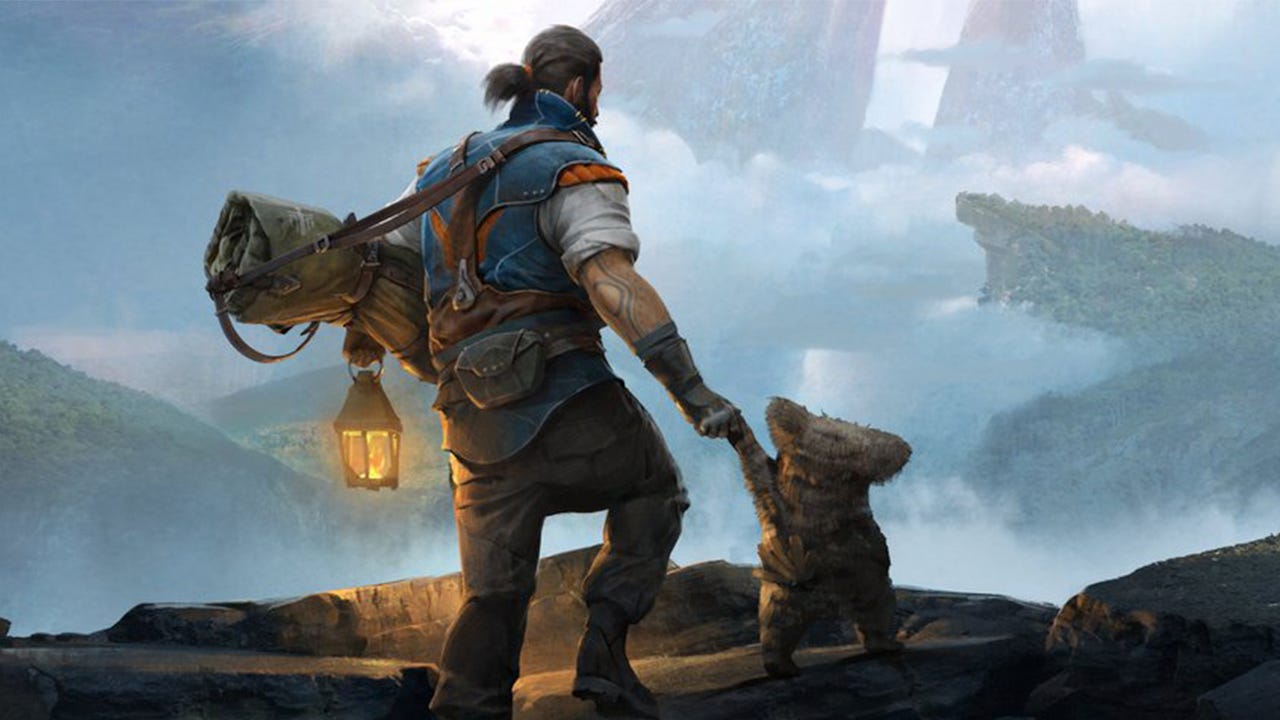
Highguard Multiplayer: A Deep Dive into the Raid Mode and Core Mechanics
Highguard is rapidly carving out its niche as a distinctive online multiplayer team-based shooter, captivating players with its unique blend of hero-shooter mechanics and strategic siege-based objectives. Far from a simple run-and-gun experience, Highguard presents a deeply tactical competitive Raid mode, structured around a series of dynamic phases that demand coordination, adaptability, and sharp strategic thinking. This article will plunge into the heart of Highguard’s multiplayer experience, exploring its intricate phases, core mechanics, and offering insights to help you master the battlefield.
Unpacking the Highguard Multiplayer Experience: Beyond the Bullet Storm
At its core, Highguard multiplayer offers a competitive arena where two teams clash in a grand, multi-stage conflict. What sets it apart is the ingenious fusion of character-driven abilities, typical of a hero shooter, with the objective-focused, destructive nature of siege combat. Every match is a journey through a meticulously designed competitive Raid mode, unfolding in repeating phases that build tension and strategic depth. This isn't just about out-shooting your opponents; it's about out-thinking, out-maneuvering, and ultimately, executing a superior strategy across the entire match lifecycle.
The game's structure ensures that every moment, from the initial resource scramble to the final push on the enemy stronghold, is fraught with purpose. Players must leverage their chosen hero's unique skillset, adapt to evolving battlefield conditions, and work seamlessly as a unit to achieve victory. The continuous cycle of preparation, objective control, and assault/defense creates a compelling narrative within each round, making every Highguard Multiplayer session a fresh challenge.
The Foundational Phases: Preparation, Shieldbreaker, and Raid
The Highguard multiplayer experience is meticulously divided into distinct phases, each with its own objectives and strategic considerations. Understanding and excelling in each phase is paramount for overall success.
Mastering Highguard's Phases: Preparation, Shieldbreaker, and Raid is key to victory.
The Strategic Foresight of the Preparation Phase
Every Highguard match kicks off with the crucial **Preparation Phase**. This isn't downtime; it's a frantic race against the clock and the opposing team to establish an early advantage. Both teams embark on a large, shared map, tasked with fortifying their base defenses and scouting for vital resources.
*
Resource Scavenging: Players must traverse the sprawling map to collect weapons, essential gear, and various resources. These are typically found in chests scattered across the terrain, at designated vendors, or dropped from supply crates that periodically appear. Efficient looting and route planning are critical here.
*
Base Fortification: While one part of the team scouts, others might focus on strengthening their home base. This could involve erecting defensive structures, placing traps, or upgrading existing fortifications. The choices made here will directly impact the resilience of your base in later phases.
*
Early Engagements & Map Control: While the primary goal is preparation, skirmishes with the opposing team are inevitable and often strategic. Controlling key resource points or denying the enemy access to vital areas can set the tone for the entire match.
*
Rapid Traversal: Mounts are a vital tool during this phase, enabling players to rapidly traverse the expansive map and access elevated or hard-to-reach areas for resources or tactical positioning. Learning optimal mount paths and dismount points can save precious seconds.
Tip: Prioritize resources that complement your hero's kit and your team's overall strategy. Don't get caught in endless early skirmishes; remember, the main objective is to prepare for what's to come. Effective communication about resource locations and enemy sightings is a game-changer.
The Critical Clash: The Shieldbreaker Phase
Following preparation, teams transition into the intensely competitive **Shieldbreaker Phase**. This is where the direct confrontation truly begins, focusing on a singular, high-stakes objective: the neutral Shieldbreaker artifact.
*
Objective: Secure the Artifact: Both teams vie for control over the powerful Shieldbreaker artifact, typically located in a central, contested area of the map. Securing this artifact requires coordinated pushes, strategic ability usage, and superior team fighting.
*
The Power of the Shieldbreaker: The team that successfully secures and activates the Shieldbreaker artifact gains the immense power to shatter the opposing team's base shield. This is not a subtle effect; it's a decisive blow that leaves the enemy base vulnerable. The phase concludes as soon as one team manages to use the artifact to destroy the other team's protective barrier. This moment is often the pivotal point that determines the attacker and defender roles for the subsequent Raid Phase. The quest for the Highguard Multiplayer TOT (Tactical Objective Terminal – referring to the Shieldbreaker artifact and its activation point) is a defining characteristic of this phase, demanding focused teamwork.
Tip: During the Shieldbreaker phase, treat the artifact as your absolute priority. Team fights here are often chaotic and drawn out. Consider hero compositions that excel in area control, burst damage, or sustain to outlast the enemy. Flanking maneuvers and well-timed ultimate abilities can easily turn the tide.
Dominating the Highguard Multiplayer Raid Mode: The Ultimate Showdown
With one base shield shattered, the match enters its climactic and most defining stage: the **Raid Phase**. This is the core objective of every round, where the attacking team attempts to breach the enemy stronghold and achieve victory, while the defending team puts everything on the line to hold their ground.
Attacker vs. Defender: Roles, Strategies, and Base Dynamics
The team that successfully used the Shieldbreaker becomes the attacker, while the unfortunate recipient of the shattered shield takes on the role of defender. This dynamic creates two distinct playstyles and strategic frameworks:
*
The Attacking Onslaught: The attacking team's objective is clear: breach the formidable defenses of the enemy base, navigate through its various sections, and eliminate the defenders. This requires a strong understanding of siege tactics, hero synergies, and intelligent pushing. Attackers must identify weak points in the defense, use their hero abilities to clear obstacles, and coordinate pushes to overwhelm choke points.
*
The Resilient Defense: For the defending team, it's a battle of attrition and strategic delay. Their goal is to prevent the attackers from reaching their final objective, often by holding specific strongholds within the base or eliminating attacking waves. Defenders must utilize their base's fortifications, deploy traps, and position themselves to maximize their hero's defensive capabilities. Effective communication about enemy movements and coordinated counter-attacks are vital.
The variety of base types adds another layer of complexity. At the start of a match, the specific type of base will be selected, influencing the layout, defensive structures, and attack routes. Some bases might favor long-range engagements, while others could be close-quarters labyrinths. Understanding your base type (whether attacking or defending) is crucial for formulating an effective strategy.
Highguard Explained: Online Team Shooter with Hero & Siege Combat highlights these dynamic elements.
Advanced Tactics and Hero Synergy in Raids
The hero-shooter aspect of Highguard truly shines during the Raid Phase. Attacking teams need heroes capable of breaching, crowd control, and sustained damage. Defenders benefit from heroes with strong area-denial, healing, and abilities that can stall or repel pushes.
*
Team Composition: Building a balanced team composition is paramount. Attackers might opt for a mix of tanky heroes to absorb damage, damage-dealers to dismantle defenses, and support heroes to keep the push alive. Defenders might lean towards heroes with turrets, barriers, or powerful ultimate abilities that can lockdown areas.
*
Objective Focus: Both teams must remain laser-focused on their primary objectives. Attackers shouldn't get sidetracked by individual duels far from the objective, and defenders must prioritize repelling the main push rather than chasing kills outside their fortified positions.
*
Counter-Play: Understanding the opposing team's hero choices and adapting your strategy accordingly is a mark of experienced Highguard players. If the enemy has strong area-of-effect abilities, spreading out or using heroes with mobility to circumvent them can be effective.
Tips for Victory in Highguard Multiplayer
To consistently emerge victorious in Highguard Multiplayer, consider these actionable insights:
1.
Master Your Hero: Understand your chosen hero's strengths, weaknesses, and most importantly, how their abilities synergize with teammates and counter enemies.
2.
Communicate Relentlessly: Voice communication is almost non-negotiable. Call out enemy positions, resource spawns, ultimate statuses, and push timings.
3.
Adapt Your Strategy: The flow of a Highguard match is dynamic. Be prepared to change your plan based on enemy actions, phase transitions, and base layouts. Don't stick to a failing strategy.
4.
Resource Management: In the Preparation Phase, be efficient. Don't overspend on items you won't use. Save resources for critical upgrades or gear later in the match.
5.
Learn the Maps: Knowledge of map layouts, including alternate routes, choke points, and defensible positions, gives you a significant advantage in all phases.
6.
Focus on the Objective: While securing kills is satisfying, the ultimate goal in Highguard is always objective-based. Whether it's gathering resources, securing the Shieldbreaker, or breaching/defending the base, keep your eyes on the prize.
Looking Ahead: The Evolution of Highguard's Competitive Scene
Highguard's unique blend of mechanics positions it well for a vibrant competitive scene. The emphasis on strategy, hero synergy, and dynamic objectives means that skilled teams can always find new ways to outmaneuver their opponents. As the player base grows and new heroes, maps, and game modes are introduced, the tactical depth of Highguard multiplayer will only expand. We can anticipate sophisticated meta-strategies emerging, evolving team compositions, and highly anticipated tournaments showcasing the best Highguard players. The future looks bright for this promising title, offering a refreshing take on the team-based shooter genre.
Conclusion
Highguard Multiplayer delivers a refreshingly deep and engaging competitive experience. Its multi-phase Raid mode, which expertly weaves together hero-shooter abilities with siege warfare, creates a strategic landscape where every decision matters. From the frantic resource gathering in the Preparation Phase to the critical Shieldbreaker showdown and the climactic Attacker vs. Defender Raid, Highguard demands more than just mechanical skill; it requires teamwork, tactical foresight, and adaptability. Dive into Highguard, embrace the strategic depth, and prepare for an unparalleled multiplayer journey where coordination and cunning are the ultimate keys to victory.